HTML to EXE Converter: Build Standalone Windows Apps

Compile your web app into a secure, standalone Windows executable in seconds.

Momin Iqbal
Written by LiteAI Team
Last updated: July 2026 · 6 min read

⚡ Quick Answer: How to Convert HTML to EXE?

To convert HTML to EXE, upload your web assets (HTML, JS, CSS) to the LiteAI dashboard and select the Windows build target. Our cloud compiler packages your code into a standalone HTML executable. This standalone .exe file runs entirely offline on Windows, while fully protecting your underlying source code.

Why Build Windows Apps with LiteAI instead of Electron?

While frameworks like Electron or Node.js are popular for packaging web apps into executables, they often result in massive file sizes (300MB+) and require complex local setup, Python dependencies, and command-line knowledge.

LiteAI provides a streamlined alternative. It operates entirely in the cloud, generating lightweight executables with zero configuration. Here are the core benefits:

🔒 Source Code Protection

Unlike standard browsers, our EXE HTML wrapper disables "Inspect Element" and right-click menus, keeping your proprietary code completely hidden from end-users.

⚡ Standalone Execution

The generated executable contains everything it needs to run. Users just double-click the EXE to launch your app natively on Windows without installing external dependencies.

🗄️ Local File System Access

Break out of the browser sandbox. Your web app can be configured to read, write, and interact directly with the Windows local file system.

Bypassing Windows SmartScreen & Security Warnings

When converting code and deploying custom Windows software, developers frequently encounter the "Unknown Publisher" or Windows SmartScreen warning. This occurs because newly generated .exe files lack a historical trust reputation with the operating system.

How to clear the warning screen:

While purchasing an expensive Code Signing Certificate is the traditional route for enterprise teams, an incredibly effective technical workflow for new builds is to submit your compiled executable file directly to Microsoft Malware Analysis. Once their automated systems analyze and verify the integrity of the file, the SmartScreen warning flag is typically removed from that specific build, ensuring a smooth, warning-free installation experience for your end-users.

How to Build Your HTML Executable (Step-by-Step)

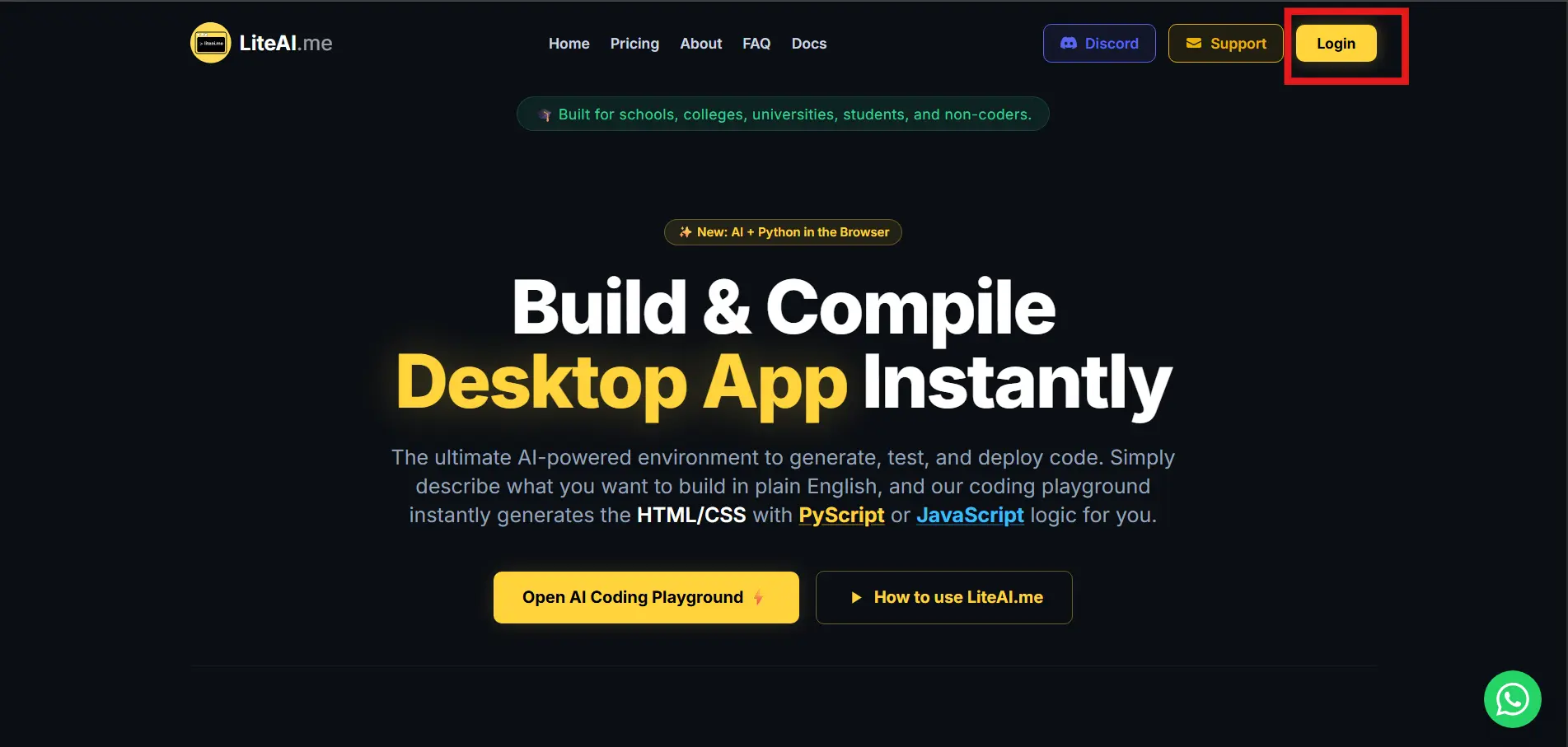
1

Login to Your Account

Start by clicking the Login button on the LiteAI homepage to access your cloud development environment.

Login to LiteAI dashboard to begin conversion
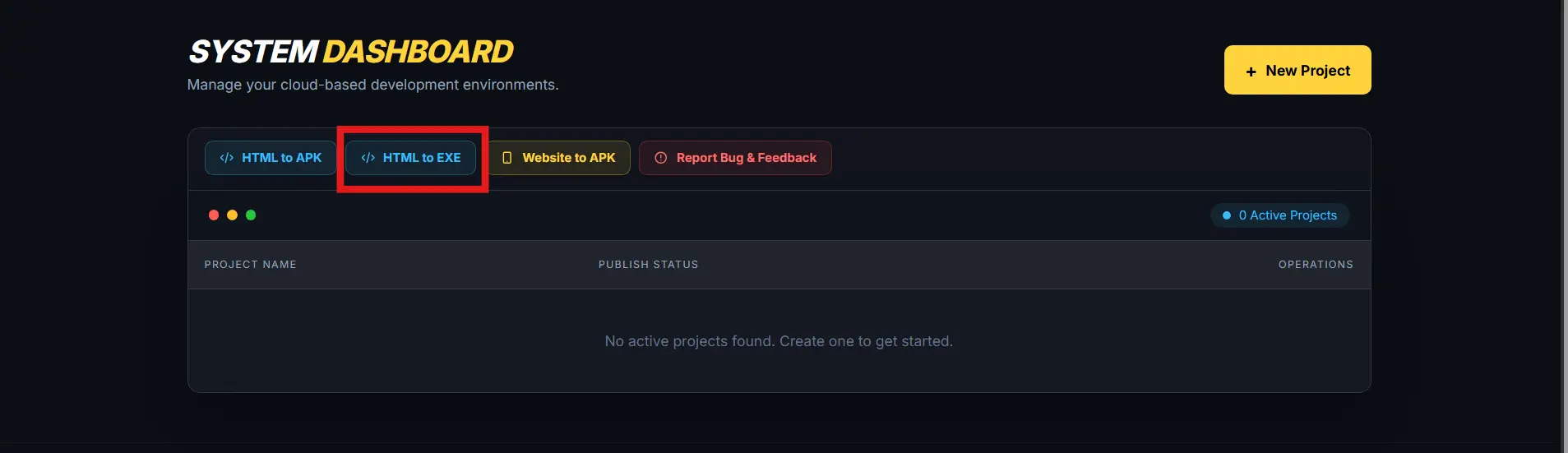
2

Select HTML to EXE

In your System Dashboard, locate the action toolbar and click the HTML to EXE button to start a new Windows app project.

Click HTML to EXE action button
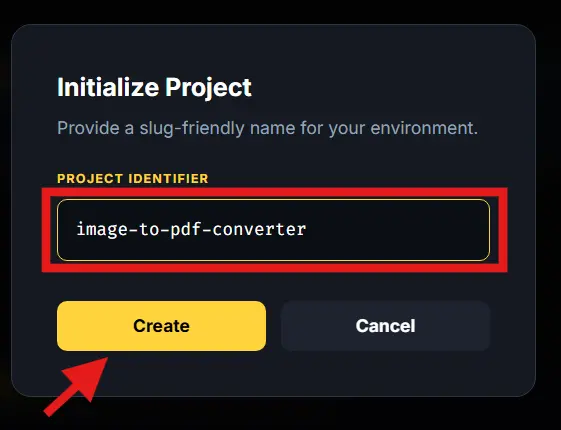
3

Name Your Project

A modal will appear. Provide a slug-friendly identifier for your environment (e.g., image-to-pdf-converter) and click Create.

Name Your HTML to EXE Project
4

Open Your Environment

Your new project will appear in the active projects list. Click the Open Project button to launch the cloud IDE.

Open Cloud IDE Project
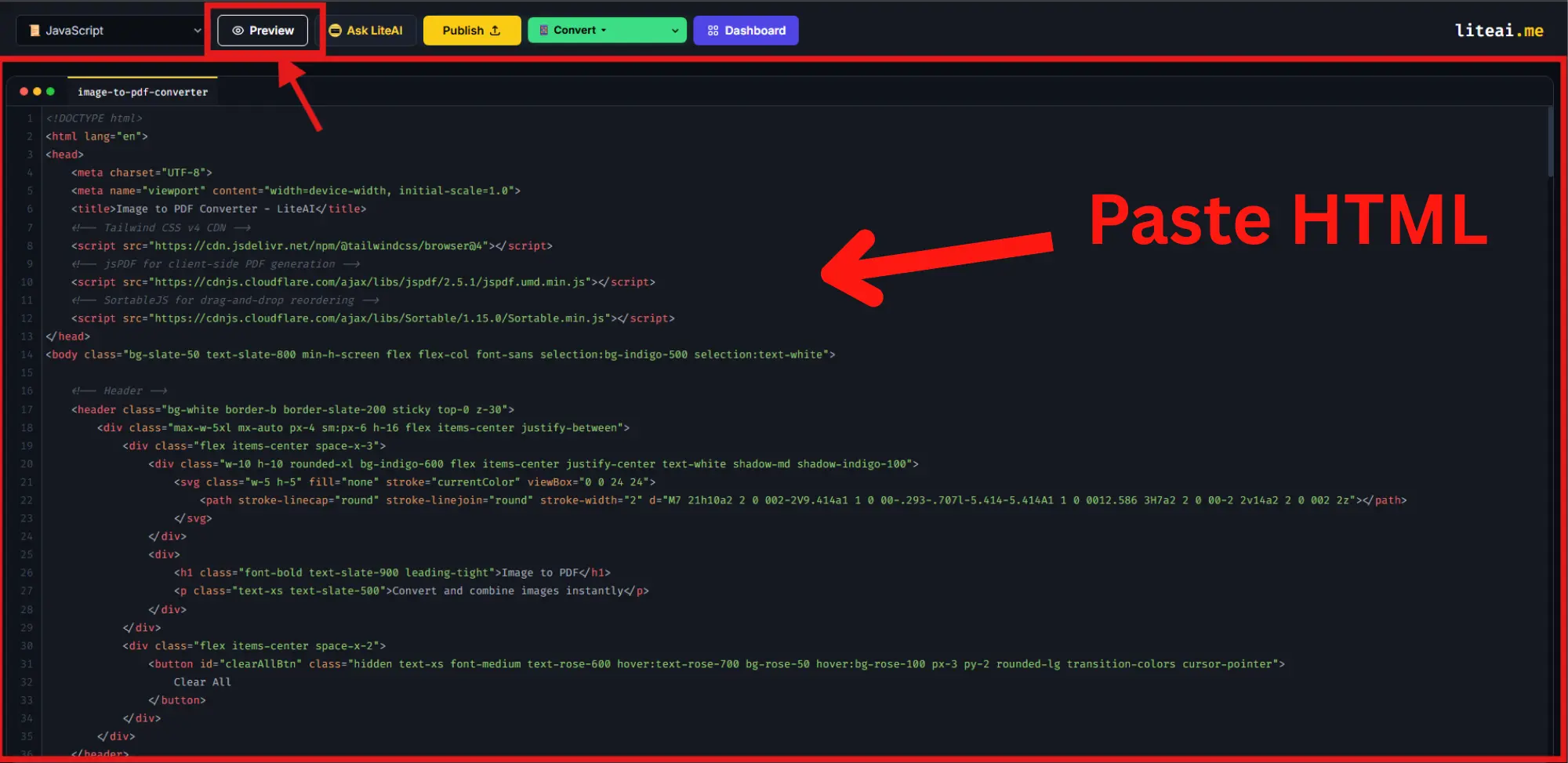
5

Code and Preview

Write or paste your HTML, CSS, and JS code directly in the editor. Click Preview to test your logic instantly in the browser.

Code and Preview HTML Logic
6

Export Your Application

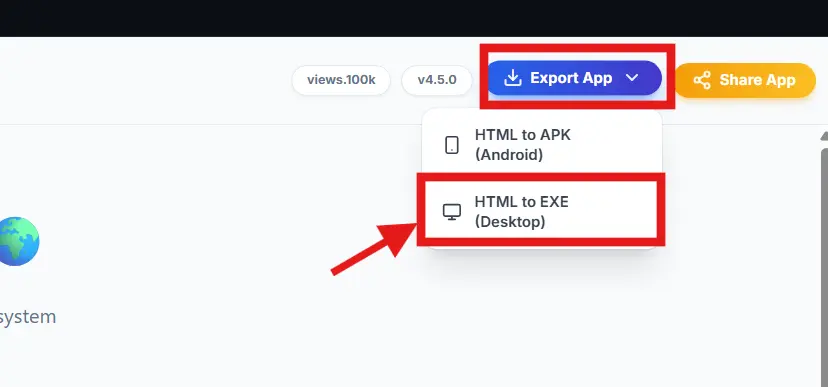
Once you're satisfied with your app, click on the Export App dropdown in the top navigation bar and select HTML to EXE (Desktop).

Select Export HTML to EXE
7

Configure Desktop Settings

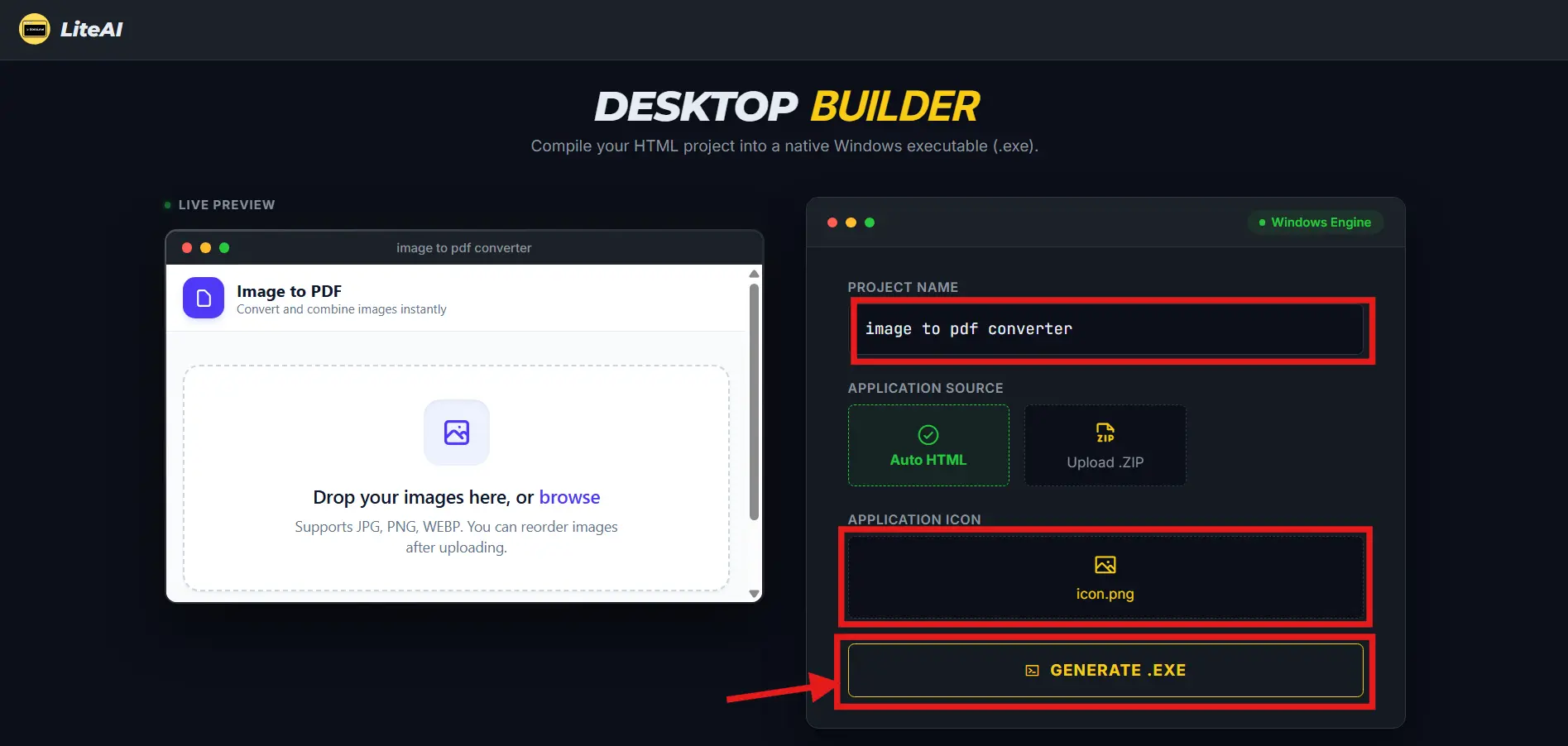
You will be routed to the Desktop Builder. Verify your project name, upload a custom Application Icon, and hit the GENERATE .EXE button.

Configure Windows App Icon and Settings
8

Download Your Executable

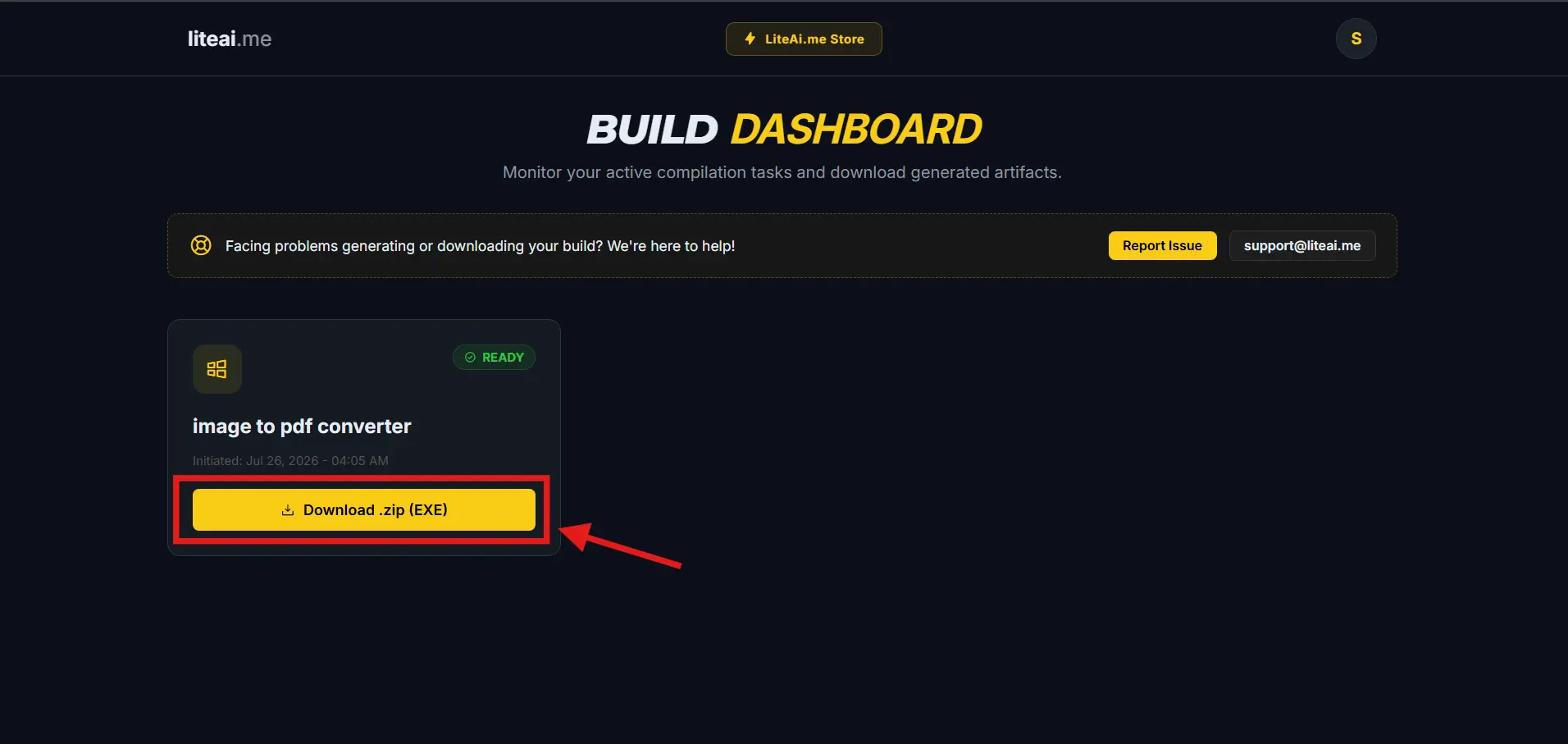
Wait a few moments while our cloud servers securely compile your web app. Once ready on the Build Dashboard, click Download .zip (EXE) to receive your standalone Windows application!

Download Final Windows Executable

Frequently Asked Questions

How do I convert HTML to EXE?

You can convert HTML to an EXE by uploading your web assets to the LiteAI dashboard and clicking 'Generate .EXE'. Our cloud compiler packages your code into a standalone HTML executable that runs natively on Windows.

Does the HTML Executable work offline?

Yes. All of your HTML, CSS, JavaScript, and media assets are bundled directly inside the .exe file. It functions perfectly without an internet connection.

Will my users need to install Chrome or Node.js?

No. The compiler packages a lightweight runtime engine directly into the application. It has zero external dependencies for the end-user.

Can I use PHP or Python with this?

This specific compiler is designed for client-side web technologies (HTML, CSS, JS). If you have a backend, your front-end HTML can connect to it via APIs, but backend code is not compiled into this EXE format.

Generate Windows EXE Now